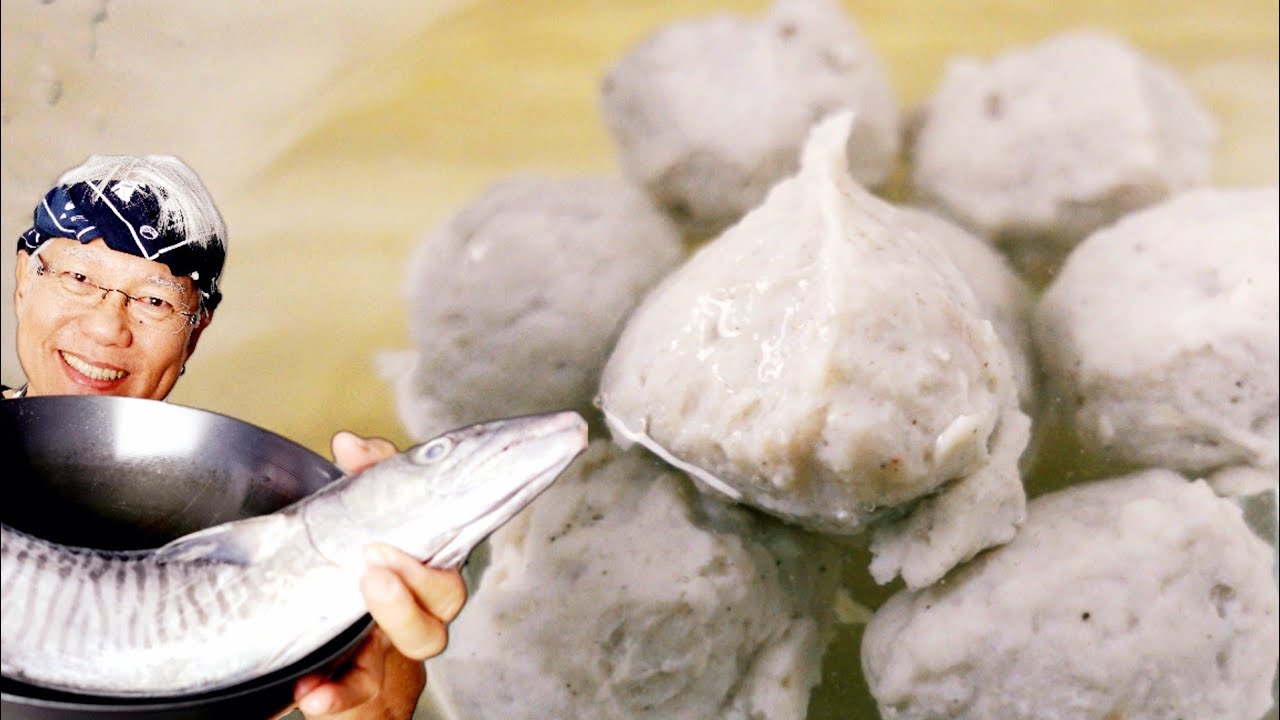
Unraveling the Charm of Fish Balls: A Culinary Journey
Few street foods evoke as much nostalgia and widespread adoration as the humble yet magnificent fish ball. From bustling Asian night markets to the comforting warmth of a homemade broth, these small, chewy spheres of fish paste are a culinary staple, cherished for their versatility and satisfying texture. But what exactly transforms simple fish into these bouncy, flavorful delights? The secret lies not just in the ingredients, but in the meticulous technique and understanding of what makes a truly authentic fish ball.
At its core, a fish ball is a blend of finely minced fish, mixed with binders like egg whites, flour, or cornstarch, and seasoned to perfection. This paste is then shaped into small balls and typically boiled, steamed, or deep-fried. While readily available in frozen sections of grocery stores or from vibrant street food carts, there's an unparalleled joy and superior quality in making your own fresh fish balls with natural ingredients. This approach guarantees no additives, allowing the true essence of the fish to shine through, promising a bouncy texture and genuine flavor that store-bought options rarely match.
Culturally, fish balls are deeply ingrained in many Asian cuisines, each region boasting its unique take. In China, you'll find delicate Yú Dàn (鱼蛋), while Taiwan offers the distinct Shī Mù Yú Wán (虱目魚丸), often made from milkfish. Hong Kong tantalizes with its famous yellow, white, and golden varieties, frequently drenched in curry sauce. The Philippines, too, holds fish balls dear, with countless childhood memories tied to vendors peddling deep-fried, puffed balls from mobile wooden carts. This global appreciation underscores their status as more than just a snack – they are a cultural phenomenon.
The Foundation of Flavor: Selecting Your Star Ingredient
The journey to bouncy, authentic fish balls begins with the fish itself. This isn't a step to rush, as the quality and type of fish profoundly impact both the flavor profile and the coveted chewy texture. You want fish that is undeniably fresh, ideally lean, and with white flesh. Fish that is too oily can result in a softer, less bouncy ball, while older fish can yield a less vibrant flavor.
Choosing the Right Fish Type
- Grass Carp: A popular choice in many traditional recipes, known for its mild flavor and suitable texture.
- Milkfish (Bangus): Especially favored in Taiwanese and Filipino fish balls, offering a rich taste.
- Cod, Haddock, or Pollock: Excellent lean, white-fleshed options that provide a clean flavor and firm texture, making them ideal for a bouncy outcome.
- Snapper or Yellowtail: Can also be used, offering slightly richer flavors.
Whether you opt for a whole fish or pre-cut fillets, freshness is paramount. If using whole fish, the extra effort of deboning and cleaning is well worth it. Look for fish with fewer bones or bones that are easily removed. Fish fillets are an excellent choice for convenience, saving time on preparation. Crucially, pay attention to the fish's color; any red parts or dark bloodlines should be meticulously removed, as they can impart a strong, sometimes 'fishy' odor and affect the final appearance of your pristine white fish balls. Thorough cleaning ensures a clean, pure fish flavor.
The Secret to Bounciness: Mastering the Fish Paste Technique
Achieving that signature bouncy texture is the holy grail of fish ball making, and it's here that technique truly shines. It’s not just about blending ingredients; it’s about understanding the science behind the protein transformation. This section reveals the crucial steps that elevate your fish balls from good to genuinely great.
1. Keep Everything Cold
This is arguably one of the most critical, yet often overlooked, tips. All ingredients, especially the fish, should be kept as cold as possible throughout the process. Chilling the fish and even your blending equipment (like the food processor bowl and blade) helps in forming a stable emulsion. Cold temperatures prevent the fish proteins from denaturing prematurely, which is essential for developing that elastic, bouncy texture.
2. The Art of Blending and Pounding
After deboning and cleaning, cut your chosen fish into small chunks. Place these into a food processor with a bit of salt, which aids in breaking down muscle fibers. Process until a rough paste forms. This is where the magic of the 'pound and knead' technique comes in, even if done mechanically. The goal is to develop the fish proteins, creating a sticky, elastic paste. For a truly authentic bouncy texture, some chefs advocate for traditional hand-pounding the fish until it becomes exceptionally smooth and glue-like. If using a food processor, process in short bursts, scraping down the sides, to prevent over-heating. The paste should become smooth, almost sticky, and noticeably elastic.
3. The Perfect Binder: Egg Whites and Starch
Egg whites are a fantastic natural binder, providing structure and contributing to the bouncy texture. Incorporate them into your fish paste during the blending process. Additionally, a small amount of cornstarch or tapioca starch can be added. These starches act as stabilizers, further enhancing the chewiness and ensuring the balls hold their shape during cooking.
4. Infusing Aromatics and Seasoning
To achieve an authentic, clean flavor, many traditional recipes incorporate green onion and ginger water. This isn't just for taste; ginger and green onion are renowned for neutralizing any residual fishiness, leaving behind a fresh, subtle aroma. Prepare this by steeping sliced ginger and green onion in hot water, then straining to use the infused liquid. Add this, along with other seasonings like white pepper and a touch of sugar, gradually to your fish paste while blending.
5. The "Float Test" for Perfection
Once your fish paste is thoroughly mixed and has achieved that sticky, elastic consistency, it's time for the ultimate quality check: the float test. Drop a small spoonful of the paste into a bowl of cold water. If the paste floats to the surface, it indicates that sufficient air has been incorporated, and the texture is likely to be light and bouncy. If it sinks, you might need to continue processing slightly longer to develop more elasticity or check your binder-to-fish ratio. This simple test is a reliable indicator of success before you cook an entire batch.
Beyond the Bowl: Creative Ways to Serve Your Homemade Fish Balls
One of the greatest joys of making your own fish balls is the sheer versatility they offer. Once cooked, these delightful spheres can be transformed into an array of dishes, offering endless culinary possibilities. Whether you prefer them boiled, steamed, or deep-fried, your homemade fish balls are ready to be the star of the show.
Popular Serving Suggestions:
- Hong Kong Curry Fish Ball Skewers: A classic street food, where bouncy fish balls are simmered in a rich, aromatic curry sauce and served on bamboo skewers.
- Noodle Soup Topping: A quintessential addition to any Asian noodle soup, providing a satisfying chew and absorbing the broth's flavors.
- Sweet and Sour Fish Balls: A delightful balance of tangy and sweet, often featuring colorful bell peppers and pineapple chunks.
- Fried Fish Balls with Dipping Sauce: Crispy on the outside, bouncy within, these are fantastic with sweet and sour sauce, spiced vinegar, or a savory brown sauce.
- Stir-fries and Fried Rice: Dice them up and toss them into your favorite stir-fried dishes or fried rice for an extra layer of protein and texture.
- Savory Fish Ball Soup: A simple yet comforting soup highlighting the natural flavor of the fish balls in a clear, flavorful broth.
For more inspiration on how to enjoy your culinary creations, explore From Skewers to Soups: Endless Ways to Serve Your Fish Balls, where you'll find even more innovative ideas to feast on your homemade fish balls.
Essential Tips for Fish Ball Perfection & Troubleshooting
Making fish balls, while rewarding, can present a few challenges. Here are some consolidated tips to ensure your success, along with common pitfalls and how to avoid them:
- Maintain Cleanliness: Always work with scrupulously clean hands and equipment, especially when handling raw fish.
- Don't Over-season Initially: Start with a conservative amount of salt and pepper. You can always adjust the seasoning of the paste after the float test by cooking a small piece and tasting it.
- Shape Uniformly: For even cooking, try to make your fish balls roughly the same size. A simple technique is to use two spoons or gently squeeze the paste through your thumb and forefinger, then scoop off with a spoon.
- Cooking Method Matters: For the bounciest texture, boiling or steaming is often preferred. Deep-frying will give you a crispy exterior but can slightly alter the internal bounce.
- Batch Cooking & Freezing: Homemade fish balls are perfect for meal prep. Once cooked, let them cool completely, then freeze them in airtight bags or containers. They can last for months and are easily reheated in soups or stir-fries directly from frozen.
Common Troubleshooting:
- Too Soft/Mushy: This often indicates too much liquid, insufficient binding agent (egg whites/starch), or not enough processing to develop the fish proteins. Ensure your fish is well-drained and adjust binder slightly.
- Too Rubbery/Hard: This can happen from over-processing the fish paste, leading to excessive protein development, or too much binder. Blend just until elastic, not tough.
- Bland Flavor: Insufficient seasoning. Remember to taste and adjust before cooking the full batch. The ginger and green onion water should be potent enough.
- Falling Apart: Usually a sign of not enough binder or the paste not being processed enough to create an adhesive texture.
The journey to crafting the perfect bouncy fish ball is a delightful culinary adventure. By understanding the importance of fresh, quality fish, mastering the art of cold processing and protein development, and embracing precise seasoning, you unlock the secret to authentic, flavorful fish balls that rival any street food vendor. So, gather your ingredients, embrace the technique, and prepare to elevate your home cooking with these incredibly versatile and delicious spheres of pure joy. Enjoy the satisfaction of creating a beloved street food classic right in your own kitchen!
